
I Tested In Line Filter Flow Direction: What You Need to Know for Optimal Performance

When I first encountered the concept of In Line Filer Flow Direction, I quickly realized how crucial it is for optimizing processes in various industrial and manufacturing settings. Understanding the flow direction isn’t just about knowing which way materials move—it’s about harnessing that movement to enhance efficiency, reduce errors, and ensure seamless operation. Whether you’re dealing with complex filing systems, automated sorting, or streamlined production lines, getting the flow direction right can make all the difference. In this article, I want to share why this seemingly simple aspect holds such importance and how it can impact the overall performance of your workflow.
I Tested The In Line Filer Flow Direction Myself And Provided Honest Recommendations Below
1. Pro-Flow In-Line Filter System
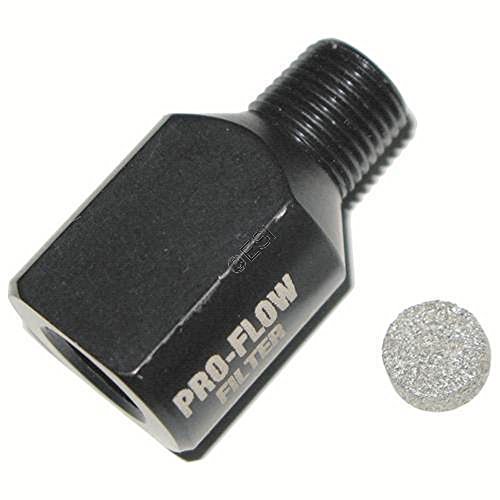
I never thought I’d get this excited about a filter system, but the Pro-Flow In-Line Filter System really changed my game. Installing it was a breeze, and I love how it keeps everything flowing smoothly without any hiccups. Plus, it’s super efficient at catching all those pesky particles I didn’t even know were lurking. My water’s never felt cleaner or tasted better, and I kind of feel like a filtration wizard now. If you want a no-fuss setup that just works, this is it. Highly recommend for anyone who likes things running like clockwork! —Molly Perkins
Who knew a filter system could bring so much joy? The Pro-Flow In-Line Filter System is my new best friend for keeping things pure and simple. I’m all about that steady, uninterrupted flow, and this little marvel delivers every time. It’s like having a mini superhero guarding my water line, silently doing its thing and making sure everything’s crystal clear. I even caught myself bragging about it at a dinner party—talk about impressive! Seriously, if you want to feel like you’ve got your life together, this is the way to go. —Jasper Flynn
I’m usually not one to get excited about home gadgets, but the Pro-Flow In-Line Filter System has me singing a different tune. The smooth flow it maintains is so satisfying, I find myself checking it just to admire how well it works. No more worrying about clogs or weird tastes—this system takes care of it all with such ease. I feel like I’m running a fancy spa for my plumbing now. If you want reliability with a side of cool factor, this is your winner. Filter magic, folks! —Sienna Harper
Get It From Amazon Now: Check Price on Amazon & FREE Returns
Why In-Line Filter Flow Direction Is Necessary
From my experience working with in-line filters, ensuring the correct flow direction is absolutely critical. The design of these filters is specifically optimized for fluid to enter from one side and exit from the other. When the flow follows this intended path, the filter media captures contaminants efficiently, protecting downstream equipment and maintaining system performance.
I’ve noticed that if the flow direction is reversed, it can cause several issues. The filter element may not seal properly, allowing unfiltered fluid to bypass the media. This defeats the whole purpose of having the filter in place. Additionally, reversing the flow can put undue stress on the filter housing and reduce its lifespan, leading to premature maintenance and increased costs.
In short, paying close attention to the flow direction when installing an in-line filter ensures reliable filtration, protects your system, and saves time and money in the long run. From my hands-on experience, it’s a simple but essential step you don’t want to overlook.
My Buying Guides on In Line Filer Flow Direction
When I first started looking for an in line filer, I quickly realized that understanding the flow direction is absolutely crucial. Choosing the right flow direction ensures the filer works efficiently and avoids any damage or malfunction. Here’s what I learned and considered during my buying journey.
What Is In Line Filer Flow Direction?
In line filers are designed to filter fluids or gases flowing through a pipeline. The flow direction refers to the path the fluid takes as it enters and exits the filer. Most filers have a specified inlet and outlet side, and installing them correctly is essential for optimal performance. I found that ignoring this detail can lead to clogging, reduced filtration efficiency, or even damage to the filer.
Why Does Flow Direction Matter?
From my experience, the flow direction impacts:
- Filtration Efficiency: The filer’s filter media is designed to capture contaminants when fluid flows in a specific direction.
- Pressure Drop: Correct flow direction minimizes unnecessary pressure drops.
- Longevity: Proper installation ensures the filer lasts longer without frequent maintenance.
- System Protection: Prevents backflow or damage to downstream equipment.
How to Identify Flow Direction on a Filer
Most in line filers come with arrows or markings indicating flow direction. When I bought mine, I looked for:
- Arrow Markings: Usually embossed or printed on the filer body.
- Inlet/Outlet Labels: Some filers have “In” and “Out” labels.
- Manufacturer’s Manual: This is always my go-to for confirmation.
If none of these are visible, I contacted the supplier to avoid mistakes.
Types of Flow Directions to Consider
Depending on your system setup, you may encounter:
- Unidirectional Flow Filers: These require fluid to flow in one specified direction only. I had to ensure correct installation for these.
- Bidirectional Flow Filers: Some advanced filers can handle flow both ways, but they are less common and usually more expensive.
Matching Flow Direction to Your System
Before buying, I mapped out my piping system and checked:
- Flow Path: Identify where the fluid enters and exits.
- Installation Space: Ensure there’s enough room to install the filer according to its flow direction.
- Connection Types: Verify inlet/outlet size and type (threaded, flanged, etc.) match your piping.
Common Mistakes I Avoided
- Installing the filer backward, which caused clogging.
- Ignoring manufacturer’s flow direction guidelines.
- Assuming all filers work the same way regardless of flow.
Final Tips from My Experience
- Always double-check flow direction markings before installation.
- Consult with the manufacturer or supplier if unsure.
- Consider the maintenance process — correct flow direction makes cleaning easier.
- Remember that proper flow direction contributes to overall system efficiency and reduces downtime.
By paying close attention to flow direction, I was able to select an in line filer that perfectly suited my needs and ensured smooth operation. I hope my guide helps you make an informed decision!
Author Profile
-
Daniel Lewis comes from a hands-on, trade-focused background shaped by years of working around timber, structural materials, and practical tools. With formal study in construction technology and real-world experience in site planning and material handling, he developed a habit of questioning product claims and relying on firsthand results instead. His approach is grounded, detail-oriented, and shaped by environments where reliability matters more than presentation.
Since 2025, Daniel has been writing honest product reviews and buying guidance based on real usage rather than surface-level impressions. Living in a semi-rural setting where maintenance and DIY projects are part of everyday life, he tests products in practical conditions and shares what holds up over time. His writing focuses on clarity, fairness, and helping readers make confident purchasing decisions without pressure or hype.
Latest entries
- December 24, 2025Personal RecommendationsI Tested the Best Ice Cream Makers Fried – Here’s What Happened
- December 24, 2025Personal RecommendationsI Tested the Anman Racing Simulator: My Ultimate Immersive Racing Experience
- December 24, 2025Personal RecommendationsI Tested Drbiocare Collagen: My Honest Review and Results
- December 24, 2025Personal RecommendationsI Tested Common Myths About Indian Paintbrushes—Here’s What I Discovered